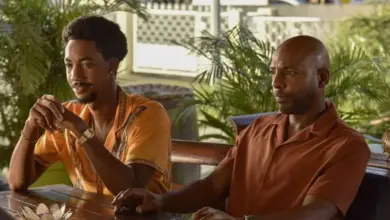
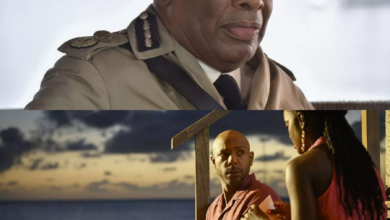
Death in Paradise was based on a true story (Image: BBC)
Death in Paradise enthusiasts will be astonished to discover how the beloved detective drama originated.
The hit series Death in Paradise remains a BBC cornerstone, with the 15th season having recently concluded with a jaw-dropping finale.
The cherished detective programme, which gave rise to the spin-off Beyond Paradise, initially premiered in 2011 when Ben Miller portrayed DI Richard Poole.
The detective was dispatched from the Metropolitan Police in London to examine the killing of a British police officer on the fictional island of Saint Marie.




Viewers may find it intriguing to learn this concept was actually drawn from a real-life incident, with creator Robert Thorogood revealing: “The idea came about when Bob Woolmer, the Pakistani cricket coach, died in suspicious circumstances in St Lucia during the Cricket World Cup of 2007.

Bob Woolmer was an English cricket star (Image: GETTY)
“We sent over a British copper to solve his murder because he had a British passport. I thought there could be a show in that.”
Bob Woolmer was an English cricket legend who managed South Africa, Warwickshire and Pakistan. Throughout his managerial stint with South Africa, he guided the side to victory in the 1998 ICC KnockOut Trophy.
On March 18, 2007, the coach died unexpectedly in Jamaica, merely hours following the Pakistan squad’s shocking exit at the 2007 Cricket World Cup against Ireland.
Subsequently, Jamaican police launched a murder inquiry into his death, but following eight months, a jury in Jamaica delivered an open verdict. Bob was discovered dead in his hotel room at the Jamaica Pegasus Hotel in Kingston, with initial reports suggesting he had succumbed to a heart attack.

Death in Paradise started in 2011 (Image: BBC)
Nevertheless, an inquiry was launched due to the circumstances surrounding Woolmer’s death, following a pathologist’s report indicating he had been strangled.
Deputy Police Commissioner Mark Shields, a former Met Police officer, was appointed to head the investigation.
Three months after his passing, the commissioner of the Jamaica Constabulary Force announced that the inquiry had determined he died of natural causes, ruling out foul play.
Reports indicated he had suffered from various health conditions, including an enlarged heart and diabetes, which may have played a role in his death.
After hearing 26 days of evidence, the jury at the inquest returned an open verdict, declining to dismiss the controversial strangulation theory.
The case was subsequently closed, with Shields stating at the time: “We do not intend to go any further with these investigations.”